DOSBox

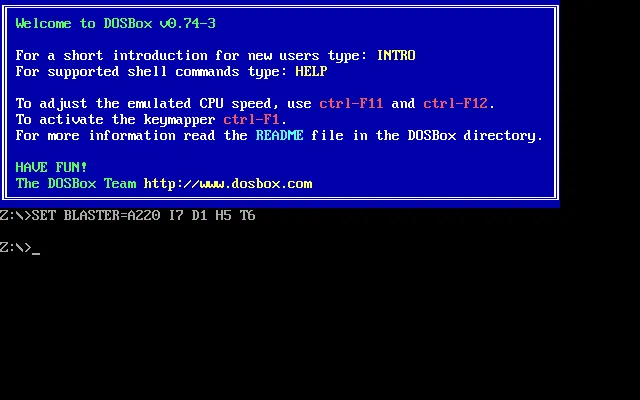
DOSBox is a free, open-source emulator that recreates an MS-DOS environment on modern computers. It emulates Intel x86 architecture, including sound, graphics, and networking, allowing users to run classic games and legacy software that are incompatible with current operating systems like Windows 11, macOS, or Linux. It is widely praised for its high compatibility and the ability to manually adjust emulation speed to match the requirements of vintage software.

windows linux mac

Gallery

About DOSBox

In the rapidly evolving landscape of modern computing, where hardware becomes obsolete in the blink of an eye, DOSBox stands as a vital bridge to the past. It serves as a specialized virtual machine tailored specifically for the x86 architecture, ensuring that decades of software history remain accessible to everyone from hobbyists to professional archivists. The primary mission of this project is to provide a seamless environment for legacy software that would otherwise be lost to time. As operating systems transitioned from the 16-bit and 32-bit eras to 64-bit architectures, direct support for real-mode DOS applications vanished. DOSBox solves this by creating a sandboxed shell that replicates the exact interrupts and hardware calls expected by software from the 1980s and 1990s. This level of compatibility is what makes it the backbone of digital preservation. For many, the name is synonymous with retro gaming. The emulator is uniquely capable of mimicking a wide array of historical hardware. Whether a game requires an original AdLib card, a Sound Blaster 16, or a Gravis Ultrasound, DOSBox can emulate these audio interfaces with high fidelity. This ensures that the iconic soundtracks and sound effects of classic titles are preserved exactly as they were intended to be heard. Furthermore, the inclusion of a dynamic core allows the software to recompile instructions on the fly, providing the performance necessary to run resource-heavy titles from the late DOS era on modern processors. While it is often used for entertainment, its utility in business and education cannot be overstated. It provides a stable platform for running historical database software or proprietary engineering tools. Because the project is open-source, various forks have emerged—such as DOSBox-X and DOSBox Staging—offering specialized features like printing support, clipboard integration, and advanced video scaling. This versatility ensures that users can mount local directories as virtual drives, effectively creating a persistent storage system for their emulated environment.

Features

Hardware Emulation
Sound Support
Graphics Modes
Network Tunneling
Speed Control
Cross-Platform
Internal Shell

System Requirements

Minimum Requirements

CPU

Any x86 or ARM-based processor

Memory (RAM)

512 MB

Storage

20 MB

Write a Review

Reviews are moderated. Your review will be published after being approved by an administrator.

Have an account? Log in to post a review, or continue below with your name and email.

Share what you like or dislike about this emulator. Maximum 1000 characters.

Your email won't be published publicly.

Ratings & Reviews

No reviews yet

Be the first to review DOSBox.